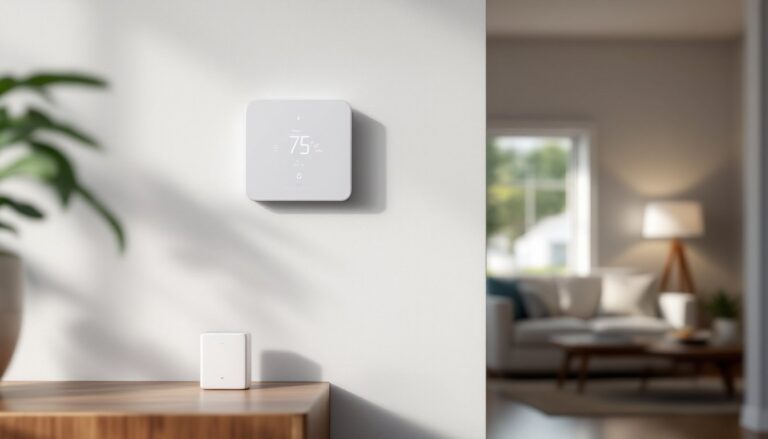
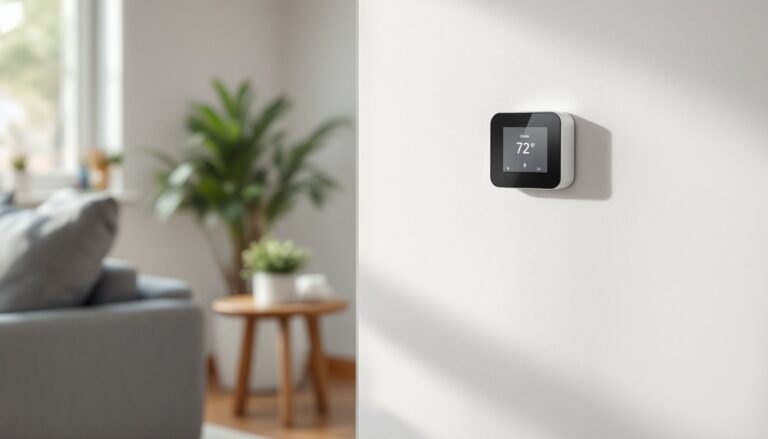
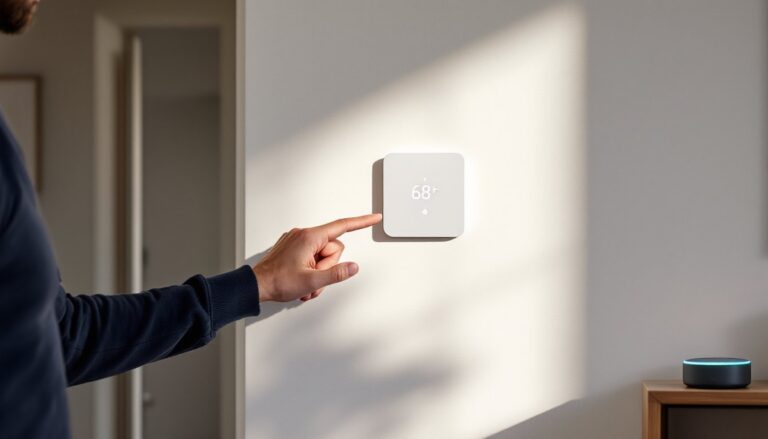
The Daikin One+ Touch Smart Thermostat brings professional-grade climate control into the hands of homeowners who want precision, connectivity, and real energy savings. Unlike generic smart thermostats, the Daikin One+ is purpose-built to work seamlessly with Daikin HVAC systems, though it’s compatible with many others. It combines a responsive touchscreen, smartphone control, and voice integration to give users complete command over heating and cooling, whether they’re home or halfway across town. For homeowners upgrading from programmable or older smart thermostats, the Daikin One+ offers a level of polish and system integration that’s tough to beat in 2026.
Table of Contents
ToggleKey Takeaways
- The Daikin One+ Touch Smart Thermostat features a responsive 7-inch touchscreen, voice control compatibility with Alexa, Google Assistant, and Apple HomeKit, and seamless integration with Daikin HVAC systems for professional-grade climate control.
- Users can achieve up to 20% energy savings through adaptive scheduling, geofencing, and real-time system diagnostics that learn household routines and adjust heating and cooling automatically.
- DIY installation takes 30 to 45 minutes if a C-wire is present, but professional installation ($100–$200) is recommended for homes lacking a common wire, complex HVAC systems, or those with local permit requirements.
- The Daikin One Home app provides full remote control, custom scheduling, geofencing, and energy usage reports without requiring a subscription, while local touchscreen operation ensures the thermostat continues functioning if Wi-Fi drops.
- Temperature accuracy of ±1°F, support for optional remote sensors in multi-room homes, and humidity control capabilities make the Daikin One+ ideal for maintaining consistent comfort and protecting home furnishings.
What Is the Daikin One+ Touch Smart Thermostat?
The Daikin One+ Touch Smart Thermostat is a Wi-Fi-enabled, touchscreen thermostat designed primarily for Daikin and Amana HVAC systems, though it supports multi-stage heating and cooling from other manufacturers. It features a 7-inch full-color touchscreen, geofencing, adaptive scheduling, and integration with Amazon Alexa, Google Assistant, and Apple HomeKit.
Unlike basic smart thermostats that rely solely on app control, the Daikin One+ emphasizes an intuitive on-wall interface. The display shows real-time indoor and outdoor temperature, humidity levels, and system status. It’s built around the concept of “One Touch”, meaning homeowners can adjust settings quickly without navigating multiple menus.
The thermostat connects to the Daikin One Home app for remote access and also works with third-party platforms. It supports up to 4 heat/2 cool stages and is compatible with heat pumps, gas furnaces, dual-fuel systems, and humidifiers or dehumidifiers. Daikin One+ requires a C-wire (common wire) for power, which is standard in most modern HVAC installations but may need to be added in older homes.
Key Features That Make Daikin One+ Stand Out
Intuitive Touchscreen Interface
The 7-inch capacitive touchscreen is the most noticeable upgrade from older thermostats and even many budget smart models. It’s bright, responsive, and easy to read from across the room. The home screen displays current temperature, target setpoint, humidity percentage, and outdoor weather pulled from the internet connection.
Users can swipe to access scheduling, system settings, or filter reminders without digging through submenus. The interface updates in real time, so changes made on the thermostat or via the app sync instantly. For households with kids or guests unfamiliar with app-based controls, the touchscreen eliminates confusion.
Daikin also includes an automatic brightness adjustment feature that dims the display at night and brightens it during the day. This is a small but appreciated detail for thermostats installed in bedrooms or hallways.
Smart Home Integration and Voice Control
The Daikin One+ works with Amazon Alexa, Google Assistant, and Apple HomeKit, making it one of the few thermostats that supports all three major voice platforms out of the box. Homeowners can adjust temperature, switch modes, or check system status using voice commands like “Alexa, set the thermostat to 72 degrees” or “Hey Google, what’s the indoor humidity?”
It also integrates with broader smart home ecosystems. For example, users can create routines where the thermostat adjusts automatically when smart locks engage or motion sensors detect no activity. The Daikin One+ supports geofencing through the app, which uses smartphone location to switch to an energy-saving mode when everyone leaves and resume comfort settings when someone heads home.
According to smart home integration guides, thermostats with multi-platform compatibility tend to offer more flexibility as households add connected devices over time. The Daikin One+ fits into that category, especially for users who prefer not to be locked into a single ecosystem.
Installation: DIY or Professional?
Installing the Daikin One+ is straightforward if you’re comfortable working with low-voltage wiring, but there are a few scenarios where calling an HVAC tech makes sense.
DIY Installation:
If your existing thermostat has a C-wire and you’re replacing a basic programmable or older smart thermostat, this is a DIY-friendly swap. The process takes about 30 to 45 minutes and requires a screwdriver, wire labels (usually included), and a smartphone for setup.
- Turn off power at the breaker or furnace switch. This is non-negotiable, low-voltage wiring can still short components if live.
- Remove the old thermostat and label each wire with the terminal letter (R, C, Y, G, W, etc.). Take a photo of the wiring before disconnecting anything.
- Mount the Daikin One+ base plate using the included anchors and screws. Level it with a bubble level or smartphone app, crooked thermostats are a dead giveaway of amateur work.
- Connect wires to the corresponding terminals on the base plate. The Daikin One+ has clearly labeled screw terminals, and the manual includes wiring diagrams for common setups.
- Snap on the display and restore power. The thermostat will boot up and prompt you to connect to Wi-Fi and configure system settings.
When to Call a Pro:
- No C-wire: Many homes built before 2000 lack a common wire. You can add one by running a new wire from the furnace, installing a C-wire adapter, or using Daikin’s power extender kit (PEK). If you’re not confident working inside the furnace or air handler, hire an HVAC tech.
- Complex systems: Dual-fuel setups, multi-zone systems, or heat pumps with auxiliary heat often require custom wiring or configuration. A professional ensures compatibility and prevents damage to expensive equipment.
- Permit requirements: Some jurisdictions require a licensed electrician or HVAC contractor for thermostat installations, especially if new wiring is involved. Check local building codes.
Expect to pay $100 to $200 for professional installation in most markets. That’s a small investment to avoid frying a $250+ thermostat or voiding the warranty.
Performance and Energy Savings Benefits
The Daikin One+ delivers measurable energy savings through adaptive scheduling, geofencing, and system optimization. Daikin claims users can reduce heating and cooling costs by up to 20% compared to non-programmable thermostats, though actual savings depend on local climate, HVAC efficiency, and usage patterns.
Adaptive Scheduling:
Unlike fixed schedules, the Daikin One+ learns household routines over time and suggests adjustments. For example, if the system notices no one is home between 9 a.m. and 5 p.m. on weekdays, it’ll propose an energy-saving setback during those hours. Users can accept, modify, or ignore suggestions.
The thermostat also factors in outdoor temperature and humidity to pre-cool or pre-heat the home efficiently. On a hot afternoon, it might start cooling 15 minutes earlier using less energy than waiting until indoor temps spike.
System Performance Monitoring:
One standout feature is real-time diagnostics. The Daikin One+ monitors HVAC run time, alerts users to maintenance needs like dirty filters, and flags performance issues before they become expensive repairs. For homes with Daikin or Amana systems, the integration goes deeper, displaying refrigerant pressures, blower speeds, and error codes directly on the thermostat.
Many smart thermostat reviews emphasize that energy savings are most noticeable in homes with inconsistent occupancy patterns, families that travel frequently, work varied shifts, or leave the house empty during the day.
Temperature Accuracy:
The built-in temperature sensor is accurate to ±1°F, and the thermostat can average readings from optional remote sensors placed in other rooms. This is useful in multi-story homes or rooms with poor airflow. Each sensor costs around $50 to $70 and connects wirelessly.
Humidity Control:
The Daikin One+ displays indoor humidity and can control compatible whole-home humidifiers or dehumidifiers. Maintaining indoor humidity between 30% and 50% improves comfort and protects wood flooring, furniture, and musical instruments from warping or cracking.
Daikin One+ App: Remote Control and Scheduling
The Daikin One Home app (iOS and Android) gives users full control over the thermostat from anywhere with an internet connection. The interface mirrors the touchscreen layout, so there’s minimal learning curve.
Core Functions:
- Remote temperature adjustment: Change setpoints, switch between heat, cool, and auto modes, or turn the system off entirely.
- Scheduling: Create custom schedules for weekdays and weekends, or enable adaptive scheduling for automatic adjustments.
- Geofencing: Set a radius around the home (typically 1 to 5 miles). The system switches to away mode when all linked smartphones leave the zone and returns to comfort settings when someone approaches.
- Alerts and notifications: Receive push notifications for filter changes, extreme temperature swings, or system errors.
- Weather integration: View local forecasts and adjust settings proactively based on incoming cold fronts or heat waves.
The app also provides energy usage reports that break down heating and cooling run time by day, week, or month. This data helps homeowners identify patterns, like a spike in usage after a poorly sealed window or duct leak, and make informed decisions about weatherization or HVAC service.
Multi-User Access:
The app supports multiple users, so everyone in the household can control the thermostat from their own device. Permissions are tied to the account that initially set up the thermostat, and there’s no option for restricted access, meaning kids or guests with app access can change any setting.
Connectivity:
The Daikin One+ connects via 2.4 GHz Wi-Fi only (no 5 GHz support). During initial setup, users enter their Wi-Fi credentials directly on the thermostat touchscreen. If the router is far from the thermostat, a Wi-Fi extender or mesh system may be necessary for reliable connectivity.
According to connected home device testing, thermostats with local touchscreen fallback (like the Daikin One+) are more resilient to internet outages than app-only models. Even if Wi-Fi drops, the thermostat continues operating on its programmed schedule and can be adjusted manually.
Voice Commands:
Beyond basic temperature adjustments, voice control through Alexa, Google Assistant, or Siri allows users to check system status (“Alexa, is the AC running?”) or trigger scenes that include the thermostat alongside lights, locks, and other devices. For example, a “Good Night” routine could lower the temperature, lock doors, and turn off lights with a single command.
The app and voice integration work reliably in testing, though response times occasionally lag by a second or two during peak network traffic. Overall, the Daikin One Home app is polished, functional, and doesn’t require a subscription for full features, a refreshing departure from some competitors that paywall advanced scheduling or geofencing.