Bosch has carved out a reputation for making appliances that don’t scream for attention, they just work quietly, efficiently, and smart enough to justify the upgrade. Smart refrigerators used to mean gimmicky touchscreens and features no one asked for, but Bosch has taken a different route: practical connectivity that actually solves problems. Whether someone’s upgrading an outdated unit or building out a connected kitchen, understanding what Bosch brings to the table, and where it fits in a smart home setup, matters before dropping several grand on a fridge.
Table of Contents
ToggleKey Takeaways
- Bosch smart refrigerators prioritize practical connectivity through the Home Connect app, allowing remote temperature monitoring, vacation mode, and maintenance alerts without unnecessary gimmicks like built-in TVs or cameras.
- The counter-depth design sits flush with cabinetry for better kitchen flow and aesthetics, while European engineering delivers quiet operation (under 40 dBA) and extended component durability.
- VitaFresh technology uses climate-controlled drawers with adjustable humidity to keep produce fresh 7-10 days instead of 3-5, with a meat drawer at 30-34°F extending protein shelf life.
- Bosch refrigerator models like the 800 Series B36CL81ENG and 500 Series B36CD50SNS offer ENERGY STAR certification, saving $70-$85 annually while supporting voice control through Alexa and Google Assistant.
- Successful installation requires measuring counter-depth dimensions carefully, preparing 115V electrical and water lines in advance, connecting to 2.4 GHz Wi-Fi only, and ensuring proper leveling for door operation.
- Watch for Bosch refrigerator sale events around major holidays (Memorial Day, Labor Day, Black Friday) where previous-year models typically discount 15-25% with functionally identical features to current releases.
What Makes Bosch Smart Refrigerators Stand Out?
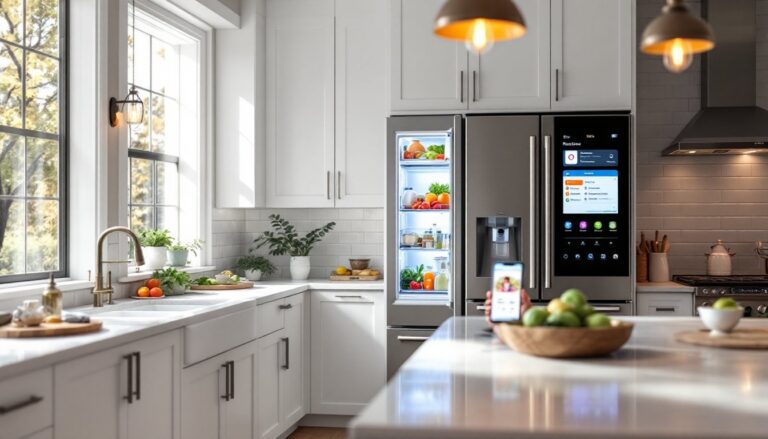
Bosch smart refrigerators aren’t about flashy screens or cameras that spy on expired yogurt. They focus on connectivity that enhances function rather than replaces common sense. The Home Connect app is the backbone here, it lets users monitor temperatures, adjust settings, and get alerts when the door’s been left open or the water filter needs changing. No built-in TVs, no social media feeds, just the controls someone might actually use when they’re not standing in front of the fridge.
The counter-depth design is another standout. Most Bosch smart models sit flush with standard cabinetry, which matters if someone’s dealing with a galley kitchen or just doesn’t want a refrigerator jutting out 30 inches into the room. This isn’t just aesthetics, it’s about clearance and flow in tight spaces. The trade-off is slightly less interior volume compared to standard-depth models, but the streamlined look and better traffic flow often win out.
Bosch also leans heavily on European engineering, thicker insulation, quieter compressors (often under 40 dBA, quieter than a library), and longer-lasting components. The compressors are designed for extended duty cycles without the wear typical of budget brands. If someone’s installing this in an open-concept home where the kitchen bleeds into the living room, that noise difference is noticeable.
Key Smart Features and Technology
Home Connect App and Remote Control
The Home Connect app is Bosch’s smart hub for all connected appliances. Once the fridge is on Wi-Fi (2.4 GHz only, 5 GHz won’t work, a common setup hiccup), users get remote access to temperature zones, vacation mode, and diagnostics. The app sends push notifications if the fridge or freezer temperature spikes, handy if a power outage happens while someone’s away or if a kid leaves the door cracked.
One practical feature: vacation mode. It powers down the fridge compartment but keeps the freezer running, which saves energy during extended trips without defrosting the whole unit. The app also tracks filter life and reminds users when it’s time to replace the water filter (typically every six months, depending on usage and water quality).
Voice control through Amazon Alexa and Google Assistant is supported, though it’s limited. Users can ask for temperature readings or turn on the ice maker boost, but they can’t ask the fridge to order groceries or play music. That’s intentional, Bosch keeps the smart features tied to refrigeration functions, not lifestyle bloat.
Energy Efficiency and VitaFresh Technology
Bosch smart refrigerators carry ENERGY STAR certification, which means they use at least 10% less energy than the federal minimum standard. The 800 Series models, for example, average around 600-700 kWh per year, which translates to roughly $70-$85 annually in electricity costs at the national average rate (varies by region and utility rates, obviously).
VitaFresh technology is Bosch’s answer to keeping produce and proteins fresh longer. It uses separate climate-controlled drawers with adjustable humidity. The low-humidity drawer works well for leafy greens and berries, while the high-humidity setting suits root vegetables. There’s also a meat and cheese drawer that sits just above freezing (around 30-34°F) to extend shelf life without freezing. In testing, users report greens lasting 7-10 days instead of the usual 3-5.
The LED lighting is another efficiency win, it’s brighter, uses less power, and doesn’t generate the heat that old incandescent bulbs did, which can affect internal temps. Lights are positioned along the sides and top, reducing shadows in the back corners where leftovers go to die.
Popular Bosch Smart Refrigerator Models for 2026
The Bosch 800 Series B36CL81ENG is the most common model in the smart lineup. It’s a 36-inch counter-depth French-door unit with a bottom freezer, 20.7 cubic feet of total capacity, and full Home Connect integration. The stainless steel finish is fingerprint-resistant (Bosch calls it their “stainless steel with anti-fingerprint coating”), which matters for anyone tired of wiping down their fridge twice a day. Independent reviews from sources like Digital Trends highlight its quiet operation and smart features, while Tom’s Guide notes the effective VitaFresh drawers and energy performance.
The Bosch 500 Series B36CD50SNS is the step-down option, same footprint, slightly fewer bells and whistles. It still has Home Connect, but drops the VitaFresh Pro drawer system and uses standard crisper bins. It’s a good pick if someone wants smart control without paying for the premium food-preservation tech. Expect to save $400-$600 compared to the 800 Series.
For larger households, the Bosch 800 Series B36CT81SNS offers 21 cubic feet and a dual ice maker system, which increases ice production by roughly 50% over single-maker models. If someone entertains often or has a family of five-plus, the dual system prevents the “out of ice” problem during cookouts. It’s also a counter-depth design, so it won’t dominate the kitchen footprint.
Keep an eye out for bosch refrigerator sale events, especially around major holidays (Memorial Day, Labor Day, Black Friday). Retailers often discount previous-year models by 15-25% when new versions roll out, and Bosch typically doesn’t refresh these lines annually, so a 2025 model in early 2026 is functionally identical to the current release.
Installation and Smart Home Integration Tips
Measure twice, order once. Counter-depth refrigerators are less forgiving than standard-depth units. Measure the width, height, and depth of the opening, and don’t forget to account for the door swing, French doors need clearance to open fully, typically 90 degrees minimum. If there’s an adjacent wall or island within 24 inches, check the hinge clearance. Some Bosch models offer reversible door swings, but not all, so confirm before delivery.
Electrical and water lines need to be in place before delivery. Most Bosch smart fridges require a standard 115V outlet, ideally on a dedicated 15-amp circuit to avoid tripping breakers when the compressor and ice maker run simultaneously. The water line should be a ¼-inch copper or braided stainless steel line with a shutoff valve within 6 feet of the fridge. If the existing line is old poly tubing, replace it, leaks are a pain, and insurance companies don’t like them.
For Wi-Fi setup, make sure the fridge is within range of the router or a mesh node. Thick stone countertops, steel appliances, and tile backsplashes can interfere with signal strength. If the fridge won’t connect, try moving the router closer temporarily during setup or adding a mesh extender. Remember: 2.4 GHz network only, the Home Connect app won’t see a 5 GHz SSID.
Bosch smart refrigerators integrate with SmartThings, IFTTT, and Home Assistant for those running more advanced smart home setups. Through IFTTT, someone can create applets like “turn on vacation mode when my security system arms in ‘away’ mode” or “send a text if the freezer temp rises above 10°F.” It requires some tinkering but adds useful automation.
Leveling is critical for proper door operation and drainage. Use a torpedo level on the top front edge and adjust the front leveling legs (usually accessible behind the kick plate) until the bubble centers. The fridge should tilt back slightly (about ¼ inch over the depth) so doors close on their own, this prevents the common issue of doors left slightly ajar.
Professional installation is worth considering if someone isn’t comfortable with electrical, plumbing, or moving a 300-pound appliance. Delivery crews will usually haul away the old unit for $25-$50, and installation adds another $100-$200, but it ensures warranties stay intact and no one’s dealing with a flooded kitchen from a botched water line connection.
Conclusion
Bosch smart refrigerators aren’t trying to be the flashiest thing in the kitchen, they’re built for people who want reliable performance, practical connectivity, and a design that doesn’t age out in two years. The Home Connect app delivers the remote monitoring and control that matters, and the VitaFresh system actually extends food life in ways that offset part of the upfront cost. For anyone planning a kitchen remodel or replacing an aging unit, Bosch belongs on the shortlist, especially if quiet operation and energy efficiency rank high. Just measure carefully, prep the hookups, and factor in sale timing to get the best value.