Ever found yourself staring at an IP address like 185.263.200 and wondering what dark secrets it holds? Picture this: you’re at a party, and everyone’s buzzing about their latest tech discoveries. When someone drops the term ‘IP address,’ the room goes silent, and all eyes are on you. Panic sets in. You think, ‘What have I gotten myself into?’ Fear not. This guide will transform you into an IP address aficionado, deftly navigating the digital depths with confidence. Buckle up, because understanding IP addresses is not just for tech geeks: it’s essential for everyone in today’s connected world.
Understanding IP Addresses: An Overview
What Is an IP Address?
An IP address, or Internet Protocol address, acts as a unique identifier for a device connected to the internet. Imagine it as your home address, everyone in the neighborhood (or network) recognizes it as the spot where you receive all your digital mail. Without it, devices would be lost in cyberspace.
Types of IP Addresses: IPv4 vs. IPv6
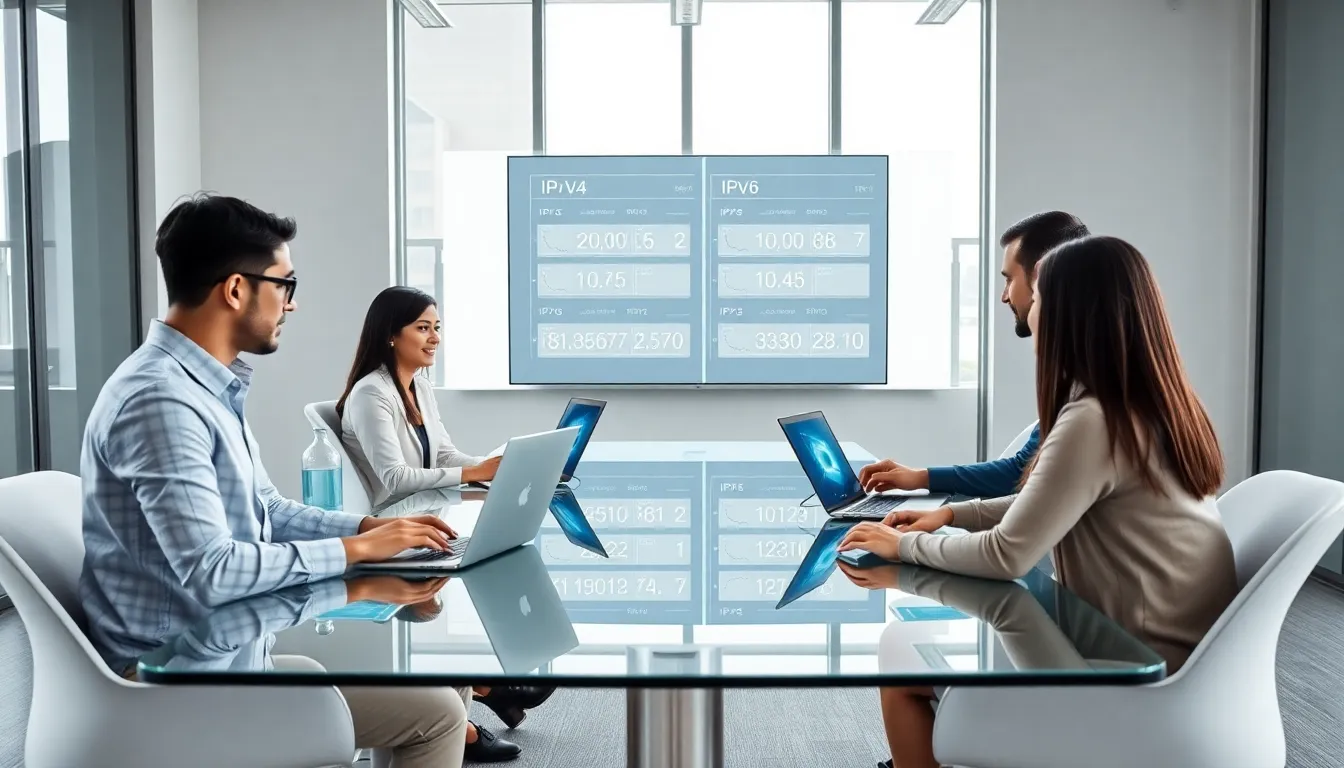
In the realm of IP addresses, two contenders reign supreme: IPv4 and IPv6. IPv4, the older sibling, utilizes a 32-bit format, allowing for about 4.3 billion unique addresses. But, with the explosive growth of internet-connected devices, those numbers dwindle fast. Enter IPv6, the much cooler, more spacious version. This 128-bit format paves the way for an astronomical 340 undecillion addresses, ensuring everyone gets plenty of digital elbow room.
The Structure of an IP Address
Decoding the Significance of 185.263.200
Now, let’s give 185.263.200 its moment in the spotlight. At first glance, it might look just like any other IP address. In reality, it carries a narrative begging to be uncovered. Each segment of this 32-bit address reflects its location within the global internet structure. But wait. This specific address appears abnormal. Typically, an IP address reflects values ranging from 0 to 255 in each segment. So, it’s worth exploring what this inconsistency reveals: it doesn’t align with the standard structure we expect.
Geolocation Information and Usage
Understanding the geolocation significance of IP addresses can be a game-changer for businesses and individuals alike. When someone accesses the internet with an IP address, their approximate physical location can be identified based on ISP data: this serves various purposes from targeted advertisements to security measures. But, with unusual addresses like 185.263.200, the risks may involve misroutes or security vulnerabilities due to possible misuse of the address.
Common Issues and Solutions Related to IP Addresses
Troubleshooting Common Problems
Connecting to the internet can sometimes feel like navigating a maze, especially when IP addresses get involved. Issues such as connectivity drops, IP conflicts, and configuration problems can arise. So, what’s the fix? First, a simple device restart can work wonders. If problems persist, checking router settings or contacting the ISP may be necessary.
If you’re stuck with an unusual address like 185.263.200, double-check your connections to make sure everything’s legit.
Privacy Concerns and Security Threats
IP addresses often open the door to privacy concerns. Cybercriminals exploit IP data to target individuals or organizations, resulting in potentially catastrophic breaches. To bolster security, users should invest in VPN services. A virtual private network masks your actual IP address and adds a strong layer of encryption, making it difficult for prying eyes to track your online activities.
Best Practices for Managing Your IP Address
Dynamic vs. Static IP Addresses
When managing an IP address, one must understand the difference between dynamic and static addresses. Dynamic IP addresses change periodically and are assigned by the network’s DHCP server. They’re a great fit for most households and small businesses. Conversely, a static IP address remains constant: it’s a prime choice for servers hosting websites or applications that require reliable connectivity.
Determining which suits your needs hinges on whether reliability or cost-efficiency matters more to you.
How to Change Your IP Address
Curious about tweaking your IP address? Changing it can often resolve connectivity issues. The simplest way? Restart your modem. This action typically grants a new dynamic IP from your ISP. Alternatively, you can access your router settings to select a static IP if you need consistency.